
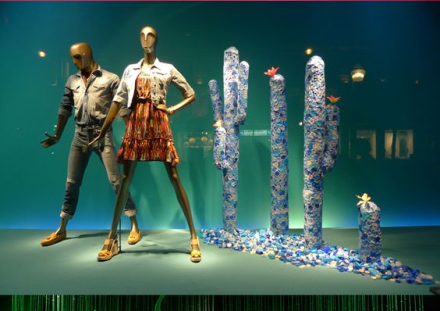
For hundreds of years the High Street shop window has been the perfect place to showcase what’s available inside a shop. The most eye-catching window displays would draw customers in and increase the chance of a purchase. The need to compete by ‘shouting-the-loudest’ transferred into mass-market advertising led by TV, Radio and Print and continues to permeate marketing thinking even in today’s digital world. Despite the technological promise of greater relevancy driven by more sophisticated targeting via digital platforms (web, mobile & social), dark clouds have formed with the growth of ad-blocking ‘killer’ apps that are closing off huge swathes of potential customers* in both consumer and business markets. Maybe once and forever.
*e-Marketer recently reported 30% of U.S. mobile users have ad-blocking apps installed and expect to see 26%+ of internet users running ad-blocking technology this year. These numbers are expected to continue rising.
This continuing erosion of consumer trust in marketing messages that interrupt the user experience on websites and mobiles and irritates people so much they’re motivated to download and activate ad-blocking apps represents a real threat to the ‘holy-grail’ of automated and customised one-to-one marketing that many brands are striving to achieve.
Perhaps what’s needed now more than ever is for marketing practitioners to think about what their ‘shop window’ looks like now that digital platforms offer different ways for people to experience brands; a different way to try on a jacket or a new pair of shoes without actually being in the shop, if you like.
Here’s a great example of this kind of thinking writ large, from Burberry who in re-launching its make-up range in 2013 wanted to reach affluent ‘Milennials’ – an audience the traditional luxury brand didn’t typically appeal to but that sees as its future customers.

Watch this video to see Burberry’s Kisses – a global campaign:Burberry Kisses
(Don your headphones or pop ear-buds in, there’s a music track with this video)
And here’s Google explaining the original thinking that went into creating Burberry’s engaging experience without people having to go to one of their retail outlets: Google thinking helps Burberry
Burberry has re-used ‘Kisses’ in different markets and to coincide with seasonal celebrations – like Valentine’s Days and last year in May 2015, it was featured as part of a flagship store launch in Shanghai.
Notonthehighstreet.com?
But what if you’re not part of the ‘High Street’ or in a consumer market? If you provide a business service or don’t need a physical retailing environment, do you even need a ‘shop window’? Hang on a minute though; what are all those company websites meticulously nurtured over the last 20-years, and especially those without ‘View Basket‘? They are, of course, web-based virtual ‘shop windows’. And everyone has one.
This post isn’t just about global marketing campaigns that require high levels of marketing investment though. There are other opportunities even for those in B2B markets to re-imagine (or maybe even imagine for the first time) what their ‘shop window’ looks like.
Think of the last sales pitch you’ve seen, maybe delivered by your own company’s sales team or maybe from a business service supplier selling to you. Did you hear a lot of talk backed up with snazzy infographics or photo-imagery that left you feeling…well, like you’d been ‘shouted at’? Or did the sales person give you a glimpse or an experience of what it would actually be like using their company’s products or services? Did it feel like you were trying on a new jacket or new pair of shoes and seeing how well they fit or whether you looked good in them?
And why wait for formal ‘sales pitch’ moments to arrive? Perhaps more businesses, especially B2B service providers, need to think about how they can create a customer experience of ‘what it would be like if we looked after you’ for their future customers. That will need marketers to step up and help re-imagine the ‘shop window’ changing it from a fixed physical space into something more immersive where people can use, try or play with products or services.
 Just Barry's Blog